Table of Contents
- What is AI Search Personalization?
- How AI Search Personalization Impacts SEO
- The Rise of Zero-Click Searches
- Effective Strategies for AI-Personalized SEO
- Content Optimization for AI Search
- Technical SEO Considerations for AI Search
- Measuring Success in AI-Personalized Search
- The Future of AI Search Personalization
- Frequently Asked Questions
- Sources and References
What is AI Search Personalization?
AI search personalization adjusts search results in real-time using individual user data and predictive analytics. In 2025, search engines go beyond being link databases—they function as AI-powered systems that provide conversational responses, assess variables, predict what users want, and interpret situations to show personalized results to each person.
When you search for information online today, the results you see are uniquely tailored to your specific profile, which includes your:
- Search history and patterns
- Geographic location
- Device type and settings
- Time of day and seasonal factors
- Social connections and network
- Content consumption habits
Key Statistic: According to recent data from Lumenalta, AI personalization in search has evolved from simple demographic targeting to sophisticated real-time adaptation that draws on multiple data points to shape unique search experiences for each user.[1]
This level of personalization means that two people searching for the exact same query might receive entirely different results based on their individual profiles and preferences. For businesses and marketers, this creates both challenges and opportunities in maintaining visibility across diverse user segments.
The Evolution of Search Personalization
Search personalization isn't new, but AI has dramatically accelerated its sophistication and impact:
| Era | Personalization Approach | Impact on Results |
|---|---|---|
| Pre-2010 | Basic location and language filters | Minimal variation between users |
| 2010-2015 | Search history and basic preferences | Moderate variation in results |
| 2015-2020 | Cross-device history and behavioral patterns | Significant variation between users |
| 2020-2025 | AI-driven predictive intent and situation awareness | Highly individualized results and formats |
How AI Search Personalization Impacts SEO
AI search personalization has changed SEO practices in 2025. The old method of optimizing for specific keywords to rank on the first page doesn't work anymore when each user sees different results based on their unique profile.
"SEO success is no longer just about ranking for clicks—it's about positioning your brand as the AI's go-to source."
Seth Besmertnik, CEO and Co-Founder, Conductor[2]Here are the key ways AI search personalization is impacting SEO:
1. The End of Universal Rankings
With AI personalization, universal ranking positions don't mean as much anymore. Your content might appear first for one group of users and be completely absent for another. This change means you need new ways to measure SEO success beyond just tracking ranking positions.
2. Intent-Based Optimization Takes Center Stage
AI search engines are becoming increasingly sophisticated at understanding user intent. In 2025, content that best matches the specific intent behind a search query is more likely to be shown, regardless of traditional ranking factors. This means SEO strategies must focus more on addressing the various intents behind keywords rather than just the keywords themselves.
Key Statistic: According to SEO.com, 84% of marketers believe in using AI for SEO by aligning web content with users' search intent, recognizing this as the most critical factor in visibility.[3]
3. Increased Importance of User Engagement Signals
AI algorithms increasingly use user engagement metrics to refine personalization. Factors such as click-through rates, dwell time, bounce rates, and interaction with content have become more important ranking signals as they help AI determine which content is most valuable to specific user segments.
4. Local and Contextual Relevance
AI search personalization focuses more on local and situational relevance. Content that matches a user's location or current situation gets priority, which makes local SEO strategies very important now.
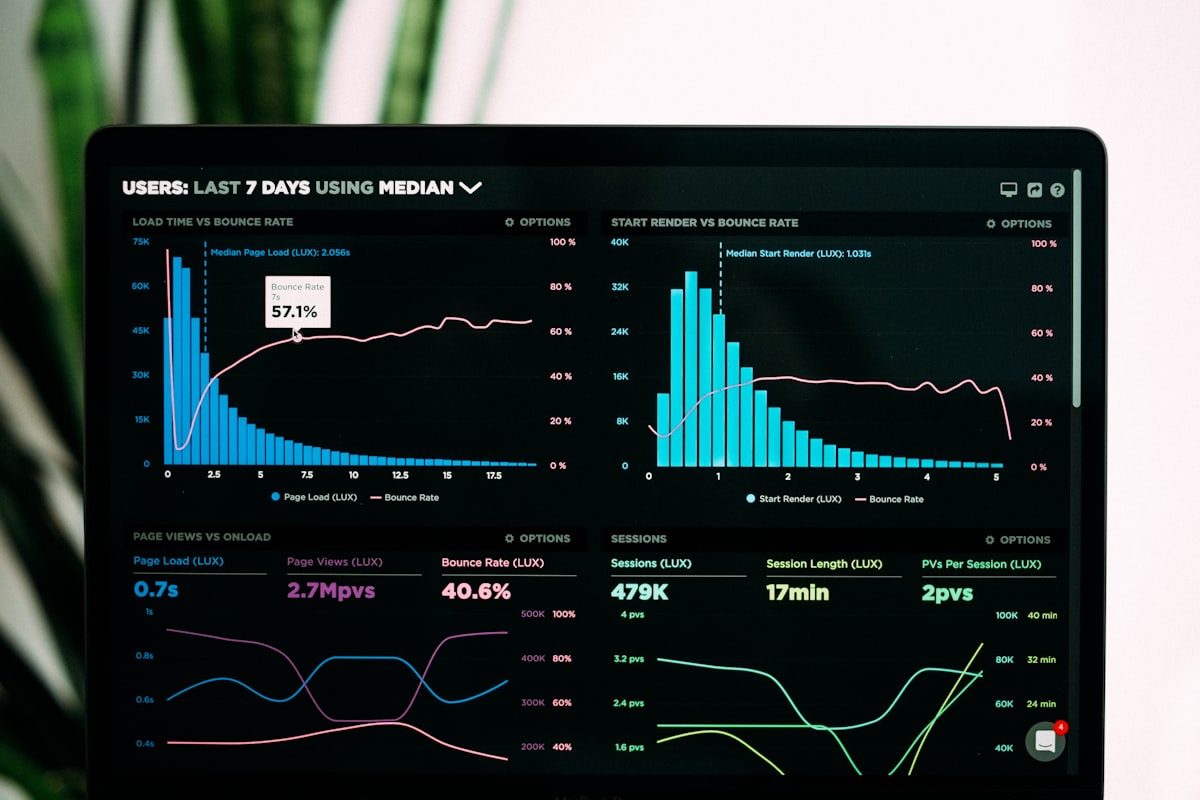
AI search personalization creates unique search experiences for each user based on their profile and situation.
The Rise of Zero-Click Searches
One of the most significant impacts of AI search personalization has been the dramatic increase in zero-click searches. These are searches where users get their answers directly in the search results without clicking through to any website.
Key Statistic: According to Bain & Company, thanks to AI overviews, 60% of searches are now complete without users clicking through to other websites.[4]
This trend has been accelerated by AI-powered features like Google's AI Overviews, which provide complete answers directly in the search results. For businesses, this means that even if your content is used to generate these answers, you might not receive the traffic you once did.
Impact on Organic Traffic
The rise of zero-click searches has led to measurable impacts on organic traffic:
- AI searches have reduced organic web traffic by 15% to 25% according to Bain & Company[4]
- 58% of informational search queries trigger AI overviews as the top search results[5]
- AI overviews now appear in 47% of Google search results[5]
"We're at an inflection point or really an impasse here where there's going to be a shift in how people look at success when it comes to organic traffic. Zero-click searches will rise. Traffic will go down. What I think this is going to do is force people to think more about conversion and the quality of traffic vs. just traffic in general."
Patrick Reinhart, VP, Services and Thought Leadership, Conductor[6]Shifting Success Metrics
With the rise of zero-click searches, SEO professionals need to adapt their success metrics. Instead of focusing solely on traffic, consider:
- Brand visibility and mentions in AI-generated answers
- Conversion quality rather than just traffic quantity
- Engagement metrics for users who do click through
- Share of voice in AI-generated responses
Adapting to Zero-Click Searches
To maintain visibility in an era of zero-click searches:
- Structure content to be easily extractable for AI overviews
- Focus on providing unique value that encourages users to click for more information
- Create content that answers questions fully but leaves users wanting more details
- Monitor and optimize for brand mentions in AI-generated answers
Effective Strategies for AI-Personalized SEO
To succeed in the era of AI search personalization, businesses need to adapt their SEO strategies to account for the individualized nature of search results. Here are key strategies that are proving effective in 2025:
1. Audience Segmentation and Persona Development
Understanding the different segments of your audience is necessary for AI-personalized SEO. Develop detailed personas that account for:
- Demographic information
- Search behaviors and preferences
- Device usage patterns
- Content consumption habits
- Geographic and situational factors
By understanding these segments, you can create content that resonates with each group and increases your chances of appearing in their personalized search results.
2. Intent-Based Content Mapping
Map your content to different user intents rather than just keywords. For each topic, create content that addresses:
- Informational intent (users seeking knowledge)
- Navigational intent (users looking for a specific website)
- Commercial intent (users researching products or services)
- Transactional intent (users ready to make a purchase)
This approach helps your content appear in relevant searches no matter how AI personalizes results for different users.
Key Insight: AI search engines are increasingly using "query fan-out" processes, where they generate multiple related questions based on the user's initial query. Creating content that addresses these related questions can improve visibility in AI search results.[7]
3. Entity-Based SEO
AI search engines understand content through entities (people, places, things, concepts) and their relationships. To optimize for entity-based search:
- Clearly define entities in your content
- Establish relationships between entities
- Use structured data to help AI understand your content
- Build entity authority through consistent branding and mentions
4. Multi-Platform Visibility
AI search engines pull information from various platforms and sources. To maximize visibility:
- Maintain consistent presence across multiple platforms
- Optimize for vertical search engines (images, videos, news)
- Create content for forums and Q&A sites where appropriate
- Ensure consistent NAP (Name, Address, Phone) information across directories
5. Digital PR and Brand Mentions
AI search engines prioritize information from credible, well-referenced sources. Building a strong digital PR strategy helps increase brand mentions and citations:
Digital PR Tactics for AI Search
- Secure mentions on authoritative industry websites
- Contribute guest articles to relevant publications
- Participate in industry forums and discussions
- Create shareable, citation-worthy content
- Build relationships with influencers and thought leaders

Effective AI-personalized SEO requires a collaborative approach across marketing disciplines.
Content Optimization for AI Search
Creating content that performs well in AI-personalized search requires a strategic approach that goes beyond traditional keyword optimization. Here's how to optimize your content for AI search in 2025:
1. Conversational Content Structure
AI search engines, particularly voice-activated ones, prioritize content that matches natural language patterns. To optimize for conversational search:
- Use natural, conversational language
- Structure content in a question-and-answer format
- Include long-tail, conversational keywords
- Address follow-up questions users might have
Key Insight: According to Keywords Everywhere, AI is accelerating the adoption of voice search, since 90% of searchers find it easier than typing out a search query.[8]
2. E-E-A-T Optimization
Google's E-E-A-T (Experience, Expertise, Authoritativeness, and Trustworthiness) principles have become even more important with AI search personalization. To demonstrate E-E-A-T:
- Showcase author credentials and knowledge
- Include first-hand experience and observations
- Cite authoritative sources
- Keep content accurate and up-to-date
- Provide full coverage of topics
3. Structured Content for Featured Snippets and AI Overviews
AI search engines often extract content for featured snippets and AI overviews. To optimize for these features:
- Use clear, descriptive headings and subheadings
- Provide concise definitions and explanations
- Use bullet points and numbered lists
- Include tables for comparison data
- Answer specific questions directly and concisely
4. Multi-Modal Content Creation
AI search engines can process and understand information from various content formats. To maximize visibility:
- Create content in multiple formats (text, images, videos, audio)
- Optimize images with descriptive alt text and captions
- Provide transcripts for video and audio content
- Use schema markup to help AI understand different content types
Content Chunking for AI Readability
AI search engines process content in "chunks" or passages. To optimize for this:
- Break content into logical, self-contained sections
- Use descriptive subheadings for each section
- Ensure each section addresses a specific aspect of the topic
- Use transition phrases to connect ideas
- Include a clear topic sentence at the beginning of each paragraph
5. Semantic Richness and Topic Coverage
AI search engines understand topics holistically. To demonstrate semantic richness:
- Cover topics completely
- Include related concepts and terminology
- Use LSI (Latent Semantic Indexing) keywords naturally
- Address common questions and concerns
- Provide background information and details
Interactive Content Checklist
Use this checklist to check if your content is optimized for AI search:
Technical SEO Considerations for AI Search
While content quality matters greatly for AI search personalization, technical SEO remains a fundamental aspect of making sure your content is properly understood and indexed by AI search engines. Here are the key technical considerations for 2025:
1. Structured Data Implementation
Structured data helps AI search engines better process your content. Key structured data types to add include:
- Article schema for main content
- FAQ schema for question-and-answer sections
- LocalBusiness schema for location-based businesses
- Product schema for e-commerce items
- HowTo schema for instructional content
- Person schema for author information
Technical Tip: While the jury is still out on the extent to which LLMs actively use structured data to understand content, implementing clear and solid structured data remains a best practice for helping search engines understand your content.[9]
2. Core Web Vitals Optimization
User experience signals remain important for AI search engines. Optimize your site's Core Web Vitals:
- Largest Contentful Paint (LCP): Aim for under 2.5 seconds
- First Input Delay (FID): Keep under 100 milliseconds
- Cumulative Layout Shift (CLS): Maintain under 0.1
3. Mobile-First Optimization
With mobile devices accounting for the majority of searches, make sure your site is fully optimized for mobile:
- Implement responsive design
- Optimize touch elements for mobile users
- Ensure content is easily readable on small screens
- Minimize resource-heavy elements that slow mobile loading
4. Site Architecture and Internal Linking
A logical site structure helps AI search engines understand the relationships between your content:
- Implement a clear hierarchical structure
- Use descriptive, keyword-rich URLs
- Create strategic internal links between related content
- Implement breadcrumb navigation
- Use canonical tags to prevent duplicate content issues
5. Page Speed Optimization
Fast-loading pages improve user experience and are favored by AI search engines:
- Optimize image sizes and formats
- Implement lazy loading for images and videos
- Minify CSS, JavaScript, and HTML
- Utilize browser caching
- Consider using a Content Delivery Network (CDN)
Technical SEO Audit Checklist for AI Search
Regularly audit these technical aspects to ensure optimal performance in AI search:
- Structured data implementation and validation
- Mobile responsiveness across devices
- Page speed and Core Web Vitals
- Crawlability and indexability
- Internal linking structure
- URL structure and canonicalization
- XML sitemap and robots.txt configuration
- HTTPS implementation and security

Technical SEO remains essential for helping AI search engines properly crawl, index, and understand your content.
Measuring Success in AI-Personalized Search
As AI search personalization continues to evolve, traditional SEO metrics like keyword rankings become less reliable indicators of success. Here's how to effectively measure your performance in AI-personalized search in 2025:
1. Brand Visibility Metrics
Track how often your brand appears in AI-generated responses:
- Brand mentions in AI overviews and featured snippets
- Share of voice compared to competitors
- Sentiment analysis of brand mentions
- Citation frequency across AI platforms
Key Insight: According to recent studies, 80% of consumers now rely on AI-written results for approximately 40% of their searches, making brand visibility in these results increasingly important.[10]
2. Engagement Quality Metrics
Focus on the quality of engagement rather than just traffic volume:
- Time spent on site
- Pages per session
- Scroll depth
- Interaction with interactive elements
- Return visitor rate
3. Conversion Metrics
Track how effectively your content converts visitors:
- Conversion rate by traffic source
- Micro-conversions (newsletter signups, downloads)
- Customer path progression
- Attribution modeling for AI search sources
"When people come to your site, are they engaged? What's their time spent on site? Are people engaging more deeply with your content, and, ultimately, is that leading to more conversions? That is what the new success metrics will look like in organic."
Patrick Reinhart, VP, Services and Thought Leadership, Conductor[6]4. AI Search Visibility Tools
Utilize specialized tools to track visibility in AI search results:
- AI overview monitoring tools
- LLM citation tracking
- Answer engine optimization platforms
- Brand mention monitoring across AI platforms
5. Personalization Impact Analysis
Analyze how personalization affects different user segments:
- Segment performance by user demographics
- Geographic performance variations
- Device-specific performance
- Behavioral segment analysis
AI Search Performance Dashboard
Create a complete dashboard that includes:
- Traditional SEO metrics (traffic, rankings)
- AI search visibility metrics (mentions, citations)
- Engagement quality indicators
- Conversion metrics by segment
- Competitive comparison
This holistic view provides a more accurate picture of your overall search performance in the age of AI personalization.
AI Search Optimization Progress
Track your progress in adapting to AI search personalization:
Content Optimization: 65%
Technical SEO Implementation: 80%
Brand Visibility in AI Results: 45%
Conversion Optimization: 60%
The Future of AI Search Personalization
As we look beyond 2025, AI search personalization is set to become even more sophisticated and impactful. Here are the key trends and developments to watch:
1. Context-Aware Personalization
Future AI search engines will use more situational factors when personalizing results:
- Real-time environmental factors (weather, events)
- Emotional state and sentiment analysis
- Cross-device continuity and user path awareness
- Situational factors (driving, walking, at home)
2. Multimodal Search Integration
Search will increasingly incorporate multiple input and output modalities:
- Visual search with augmented reality overlays
- Voice and gesture combined inputs
- Haptic feedback in search results
- Cross-sensory search experiences
Future Trend: According to industry forecasts, by 2027, 25% of organizations will rely on AI chatbots as a primary customer service channel, further integrating search functionality into conversational interfaces.[11]
3. Predictive Search Intent
AI will increasingly anticipate search needs before users express them:
- Proactive information delivery based on predicted needs
- Anticipatory search suggestions
- Contextual alerts and notifications
- Life event prediction and relevant content delivery
4. Ethical AI and Transparency
As AI personalization becomes more powerful, ethical considerations will gain importance:
- Greater transparency in personalization factors
- User control over personalization parameters
- Reduced algorithmic bias in search results
- Privacy-preserving personalization techniques
5. Integration of Decentralized and Private Data
Future search personalization will incorporate new data paradigms:
- Blockchain-verified information sources
- Edge computing for local personalization
- Privacy-preserving machine learning techniques
- User-controlled data vaults for personalization
Preparing for the Future of AI Search
To stay ahead of these trends, businesses should:
- Invest in content that shows genuine knowledge and unique viewpoints
- Build strong first-party data strategies that respect user privacy
- Develop multimodal content across various formats and platforms
- Focus on building brand authority and trust signals
- Experiment with emerging technologies like AR, VR, and voice interfaces

The future of AI search personalization will integrate multiple modalities and situational awareness for even more tailored experiences.
Frequently Asked Questions
How does AI search personalization differ from traditional search personalization?
+Old search personalization mainly used basic factors like location, language, and search history. Today's AI search personalization is much more advanced, using real-time behavior analysis, prediction of what users want, awareness of situations, and data from multiple platforms. AI systems can see connections between topics, spot patterns in how people use search, and predict what users might need next. This creates more personalized search results that change based on each user's specific situation.
Will AI search personalization eventually make traditional SEO obsolete?
+No, AI search personalization won't make traditional SEO outdated, but it is changing how SEO works. Many basic SEO practices—like creating quality content, technical optimization, user experience, and building authority—are still needed. These practices must adapt to AI's growing role in search. Instead of making SEO outdated, AI search personalization is adding new aspects to SEO like entity optimization, understanding user goals, and creating content in multiple formats. The best SEO strategies now combine traditional methods with new approaches made for AI search systems.
How can small businesses compete in AI-personalized search without large budgets?
+Small businesses can succeed with AI-personalized search by focusing on specific areas of knowledge, local connections, and real, authentic content. First, know your audience groups well and make content that meets their specific needs. Use your local presence by improving local search signals and building ties to your community. Choose quality over quantity—make fewer but better pieces of content instead of lots of average content. Use free or affordable AI tools to study competitors and find content ideas. Make connections with industry websites to get mentions and links. Also, talk directly with your audience on social media and forums to build real connections that AI systems see as signs of trust.
How do I measure the impact of AI search personalization on my website's performance?
+Measuring the impact of AI search personalization requires looking beyond traditional metrics like keyword rankings and traffic volume. Focus on engagement quality metrics such as time on site, pages per session, and interaction depth. Track brand visibility in AI-generated responses using specialized tools that monitor mentions and citations across AI platforms. Analyze conversion rates and user paths to understand how different segments interact with your content. Implement segment-specific analytics to identify how personalization affects different user groups. Use attribution modeling to understand the customer path across multiple touchpoints. Finally, conduct regular competitive analysis to compare your performance against others in your industry and identify areas for improvement.
What role does structured data play in AI search personalization?
+Structured data is becoming more important for AI search personalization because it helps search engines process your content better. While experts still debate how much large language models (LLMs) use structured data directly, adding schema markup gives clear information about what your content is about, how it's organized, and its key points. This helps AI systems sort and find your content for related searches. Structured data works especially well for specific content like products, recipes, events, and FAQs, as it lets search engines pull out exact information for rich results and direct answers. As AI search gets better, structured data offers a standard way to make sure your content is correctly understood and shown to users who would find it useful.
How is voice search related to AI search personalization?
+Voice search and AI search personalization work together closely. Voice search both pushes and benefits from advances in AI personalization. People speak more naturally and ask more questions when using voice search compared to typing, which makes AI systems need to better understand natural language and what words mean in different situations. When people talk to voice assistants, these systems create more detailed user profiles based on how they speak, what they ask about, and past conversations, which leads to more personalized answers. Voice search adds new ways to personalize results through tone of voice, how fast someone talks, and accent recognition. Voice search has sped up the creation of AI that can understand natural conversation and give personalized answers, while better AI personalization has made voice search more accurate and helpful for people in many different situations.
What privacy concerns should users be aware of with AI search personalization?
+AI search personalization raises several important privacy concerns. First, these systems collect and analyze vast amounts of user data, including search history, browsing behavior, location data, and sometimes even voice recordings or biometric information. This extensive data collection creates potential risks for data breaches or unauthorized access. Second, the depth of personalization can create "filter bubbles" that limit exposure to diverse viewpoints and information. Third, there's often limited transparency about what data is being collected, how it's being used, and what factors influence personalized results. Users should be aware of these concerns and take steps to protect their privacy, such as reviewing and adjusting privacy settings, using privacy-focused search alternatives when appropriate, regularly clearing search history and cookies, and being mindful of the information they share through search queries. As AI personalization advances, the balance between personalization benefits and privacy protection will remain an important consideration for both users and search providers.
How does AI search personalization impact local businesses?
+AI search personalization affects local businesses in important ways. On the good side, it can make businesses more visible to people nearby by showing local results based on where users are and what they've searched for before. AI systems can figure out when someone wants local information, even if they don't say so directly. Personalization also helps local businesses show up in results when users have looked at similar businesses before. But this means local businesses need to work on local search signals and keep their NAP (Name, Address, Phone) information the same across all online directories. They should manage reviews and get mentioned on local websites, as these show AI systems they can be trusted. Local businesses should create content specific to their location that helps their community, while keeping their Google Business Profile and other listings complete, correct, and up to date to be more visible in personalized local search.
What is the difference between GEO (Generative Engine Optimization) and traditional SEO?
+Generative Engine Optimization (GEO) and traditional SEO have similar goals but work differently. Traditional SEO tries to make websites more visible in search results pages by working on keywords, backlinks, and technical aspects. GEO aims to get your content included in AI-generated answers and content from large language models (LLMs). While traditional SEO wants to rank web pages higher, GEO wants your content to be cited or mentioned in AI-created answers. Traditional SEO looks at rankings, traffic, and click rates, while GEO tracks how often your content is cited, your brand is mentioned in AI answers, and how much you're talked about across AI platforms. Even with these differences, they share many basic ideas—both need good, trustworthy content, solid technical setup, and focus on what users want. GEO isn't completely separate from SEO; it's more like SEO that has grown to work with AI search.
How will AI search personalization affect content creation strategies?
+AI search personalization is changing how we create content in several ways. First, it's moving us from focusing on keywords to focusing on what users actually want and the questions they have. Content creators now need to build complete topic groups that look at subjects from many angles to meet different user needs. E-E-A-T (Experience, Expertise, Authoritativeness, Trustworthiness) matters more as AI systems favor trusted sources. Content should be organized to make key information easy to find, with clear headings, short definitions, and logical structure. Creating content in multiple formats (text, video, audio) is now necessary as AI systems work with and suggest different types of content. Personalization also leads to adaptive content that can change based on who's viewing it. Lastly, there's more value in creating truly original content with new research, ideas, or viewpoints that offer something AI can't create on its own.
Sources and References
- Lumenalta. (2025, April 4). Understanding AI personalization in 2025. https://lumenalta.com/insights/understanding-ai-personalization-in-2025
- Conductor. (2025, September 4). 2025 AI Search Trends: The Future of SEO & Content Marketing. https://www.conductor.com/academy/seo-content-predictions/
- SEO.com. (2025, July 30). AI SEO Statistics in 2025: AI SEO Trends and Insights. https://www.seo.com/ai/ai-seo-statistics/
- Bain & Company. (2025, June 15). Goodbye Clicks, Hello AI: Zero-Click Search Redefines Marketing. https://www.bain.com/insights/goodbye-clicks-hello-ai-zero-click-search-redefines-marketing/
- Botify. (2025, Q4). AI Overviews Report. https://lp.botify.com/q4.2024-aio-report
- Ray, L. (2025, July 18). AI search is booming, but SEO is still not dead. Search Engine Land. https://searchengineland.com/ai-search-booming-seo-still-not-dead-458935
- King, M. (2025, June). How AI Mode Works. iPullRank. https://ipullrank.com/how-ai-mode-works
- Keywords Everywhere. (2025). Voice Search Statistics. https://keywordseverywhere.com/blog/voice-search-stats/
- van Berkel, M. (2025). Why Structured Data, Not Tokenization, Is the Future of LLMs. Schema App. https://www.schemaapp.com/schema-markup/why-structured-data-not-tokenization-is-the-future-of-llms/
- Marketing Week. (2025). AI Search Deepfakes: 5 Interesting Stats. https://www.marketingweek.com/ai-search-deepfakes-5-interesting-stats/
- Gartner. (2025). Gartner Predicts Chatbots Will Become a Primary Customer Service Channel Within Five Years. https://www.gartner.com/en/newsroom/press-releases/2022-07-27-gartner-predicts-chatbots-will-become-a-primary-customer-service-channel-within-five-years
- Infinity Digital. (2025, September 5). The Rise of AI in Search and Its Impact on SEO Strategies in 2025. CBS42. https://www.cbs42.com/business/press-releases/ein-presswire/846339570/the-rise-of-ai-in-search-and-its-impact-on-seo-strategies-in-2025
- Technogiq. (2025, August 7). Leading LLM SEO Trends of 2025: The Impact of AI on Search Engine Optimization. https://www.technogiq.com/blogs/leading-llm-seo-trends-of-2025-the-impact-of-ai-on-search-engine-optimization/
- BigProfiles. (2025, February). How SEO Will Evolve in 2025 with Artificial Intelligence. https://bigprofiles.com/en/how-seo-will-evolve-in-2025-with-artificial-intelligence/
- Lumar. (2025, August 20). August 2025 SEO News: Google AI Mode Expansion, 'Top Stories' Personalization, & More. https://www.lumar.io/blog/industry-news/august-2025-seo-news-google-ai-mode-expansion-top-stories-serp-personalization-more/
AI Transparency Disclosure
This article was created with the assistance of AI tools to gather research, organize information, and improve readability. All content has been reviewed and edited by our human experts for accuracy, relevance, and value to our readers. We believe in transparent use of AI as a tool to support human knowledge, not replace it.