The Ten Healing Environments
Each natural environment offers unique physical properties that directly modulate brain chemistry, autonomic balance, and inflammatory processes—addressing the shared pathophysiology of fibromyalgia, bipolar disorder, and ADHD.
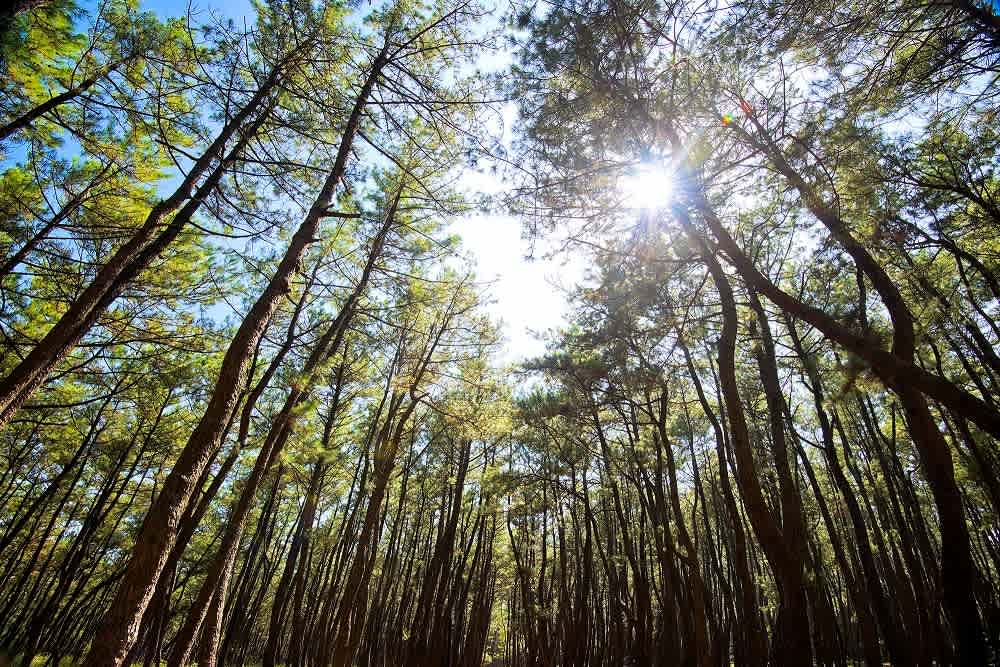
🌲 Forest Physics
Phytoncides (α-pinene, β-pinene) enhance GABA-A receptor activity by 493–541%, comparable to benzodiazepines. Negative air ions reach 2,000–10,000/cm³.
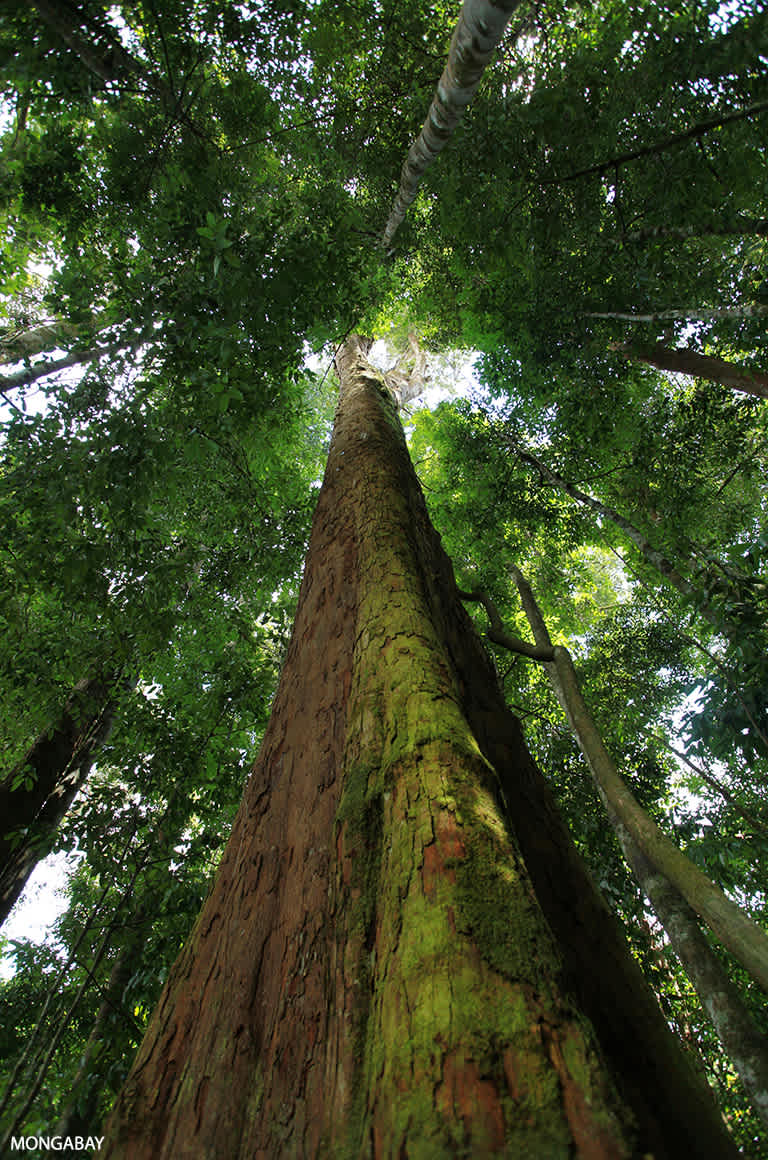
🦜 Rainforest Physics
"Forest Squared" amplification: 2–5× higher BVOC emissions, 10× species diversity creates synergistic multi-receptor activation impossible with single compounds.
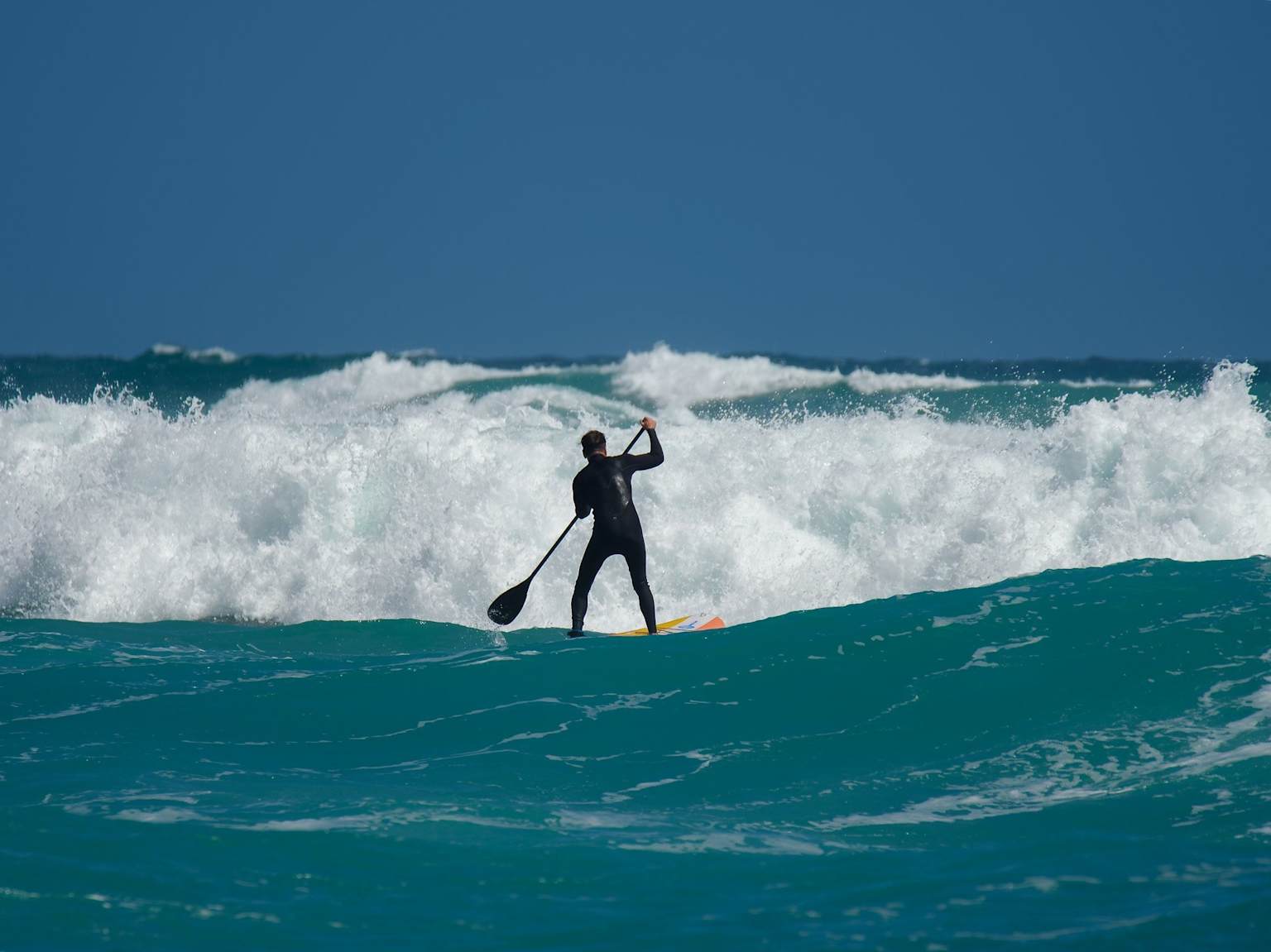
🌊 Ocean Physics
Surf zones generate 50,000–100,000+ ions/cm³ via Lenard effect. Wave frequencies (0.05–0.2 Hz) entrain respiration. Effect size d = 1.2 for mood improvement.

🏜️ Sand Dune Physics
Self-organized criticality (SOC) exemplifies healthy brain dynamics. Fractal patterns (D≈1.4) reduce stress by 60%. Mathematical isomorphism with neural avalanches.

💧 Waterfall Physics
Highest natural NAI concentrations: 100,000+ ions/cm³. Lenard effect from droplet fragmentation modulates serotonin. Acoustic entrainment activates parasympathetic system.

🕳️ Cave Physics
Extreme environmental stability: ±0.5°C annually. Speleotherapy reduces neuroinflammation. Complete darkness benefits circadian disruption in bipolar disorder.
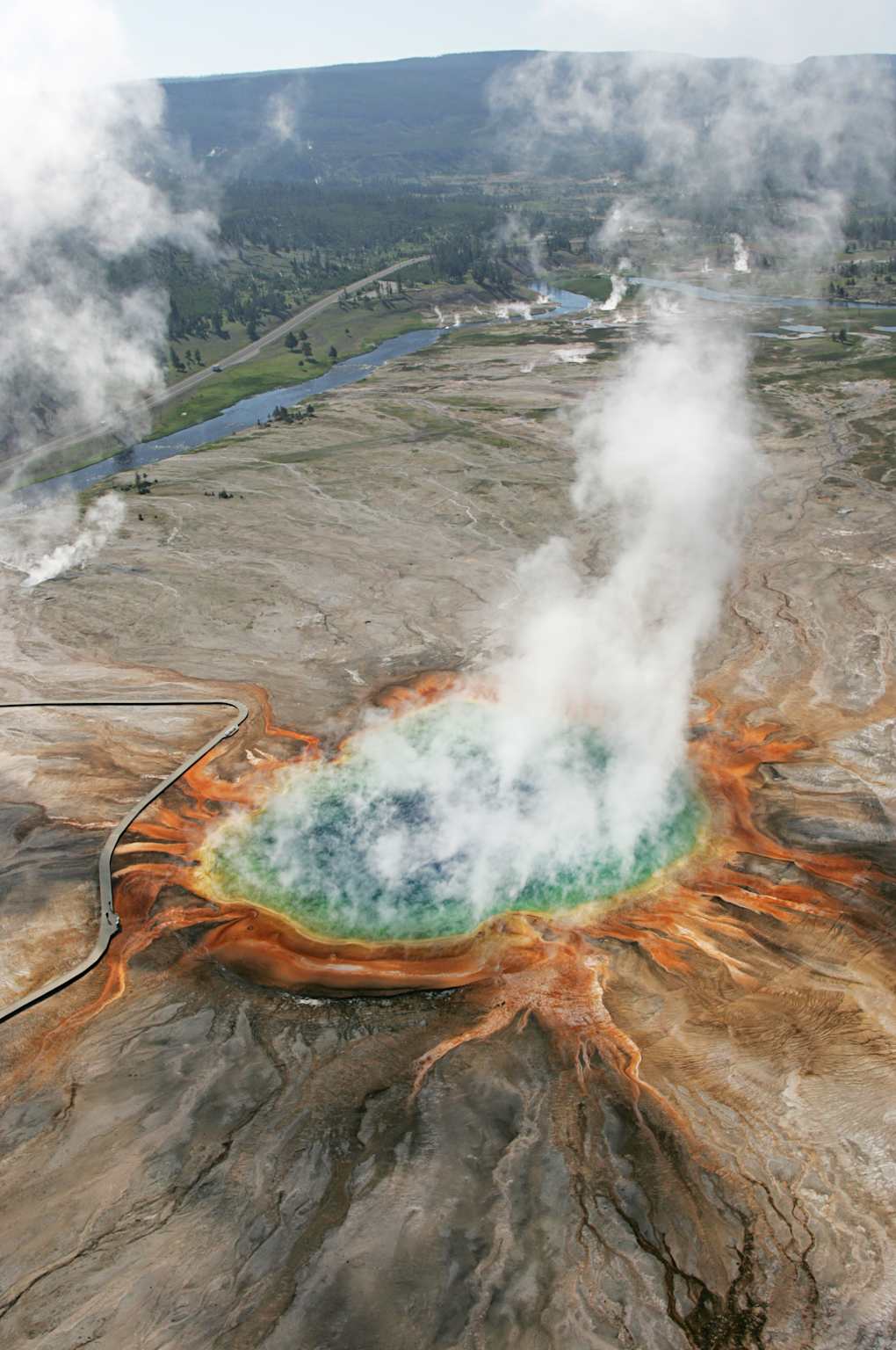
♨️ Geothermal Physics
38–42°C immersion increases parasympathetic tone. Magnesium and lithium absorption. Heat shock proteins reduce inflammation. Elevated negative ions from water agitation.

⛰️ Mountain Physics
Controlled hypoxic stress (1,500–3,000m) triggers HIF-1α, enhances erythropoiesis. BDNF upregulation promotes neuroplasticity. Natural circadian entrainment.
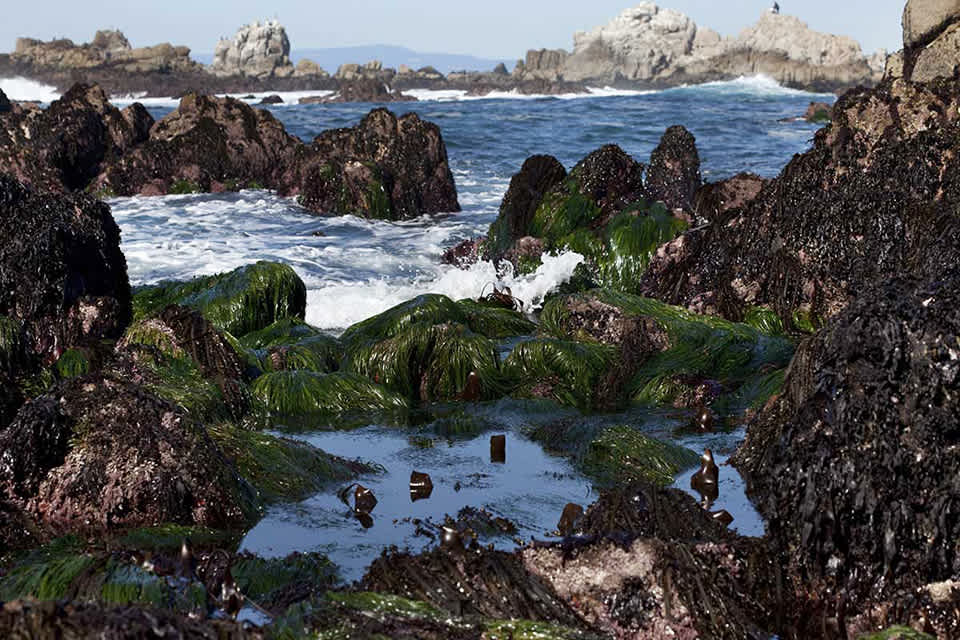
🌀 Tidal Zone Physics
12.4-hour tidal cycles provide rhythmic environmental oscillation. Circadian entrainment through predictable change. Grounding effects, diverse microbiome exposure.

⛵ Long-Distance Sailing
Complete circadian reset through natural light/dark cycles. Sustained multi-day NAI exposure. HPA axis recalibration. Dopamine normalization through challenge-reward.
Integrated Mechanism Matrix
Each environment addresses five core pathophysiological domains through distinct but overlapping mechanisms.
| Environment | Neurotransmitter | HPA Axis | Autonomic | Inflammation | Circadian |
|---|---|---|---|---|---|
| 🌲 Forest | |||||
| 🦜 Rainforest | |||||
| 🌊 Ocean | |||||
| 🏜️ Sand Dunes | |||||
| 💧 Waterfalls | |||||
| 🕳️ Caves | |||||
| ♨️ Hot Springs | |||||
| ⛰️ Mountains | |||||
| 🌀 Tidal Zones | |||||
| ⛵ Sailing |
Key Insight: Convergent Pathophysiology
Fibromyalgia, bipolar disorder, and ADHD share fundamental dysregulations in monoaminergic neurotransmitter systems (serotonin, dopamine, norepinephrine, GABA), HPA axis function, autonomic balance, neuroinflammation, and circadian rhythmicity. This convergence creates a unified therapeutic target—environmental interventions that modulate these systems can simultaneously address core dysfunctions across all three conditions.
Condition-Specific Recommendations
Tailored environmental prescriptions based on each condition's unique deviation from optimal brain dynamics.
Fibromyalgia
Supercritical sensory amplification: Excessive cascade propagation creates pain hypersensitivity.
- Primary: Forest bathing (GABA modulation reduces central sensitization)
- Secondary: Hot springs (anti-inflammatory + muscle relaxation)
- Tertiary: Caves (sensory reduction, pressure stability)
- Avoid: High-altitude initially (hypoxia may increase pain)
Bipolar Disorder
Bistable oscillation: Cycles between sub- and supercritical states require stabilization.
- Primary: Long-distance sailing (complete circadian reset)
- Secondary: Caves (light cycle control during vulnerable phases)
- Tertiary: Tidal zones (rhythmic entrainment, predictable change)
- Caution: Intense environments during mood transitions
ADHD
Supercritical excitability: Shifted toward excessive neural activation requires inhibitory support.
- Primary: Forest environments (attention restoration + GABA)
- Secondary: Waterfalls (high NAI, serotonin modulation)
- Tertiary: Ocean (multimodal sensory integration training)
- Consider: Controlled mountain exposure (arousal regulation)
Minimum Effective Exposures
Research suggests these evidence-based durations for therapeutic benefit:
- 🌲 Forest: 2 hours weekly → 7+ day effect persistence
- 🌊 Ocean/Beach: 20 minutes 2–3×/week → 3–5 day persistence
- ♨️ Hot Springs: 15–20 minutes 2–3×/week → 24–48 hour persistence
- 💧 Waterfalls: 15–30 minutes weekly → 2–3 day persistence
The Criticality Framework
Self-organized criticality (SOC) provides a mathematical framework unifying these environmental effects with brain dynamics.
Isomorphic Dynamics: Sand Dunes ↔ Neural Networks
Sand Dune System
Wind driving force → Critical angle (34°) → Avalanche → Hysteresis
Neural System
Synaptic input → Firing threshold → Neural avalanche → Mood states
Natural environments with fractal patterns, rhythmic elements, and 1/f spectral characteristics function as external regulators that entrain dysregulated brain dynamics toward optimal criticality.
Multi-Channel Danger Signal Suppression
These environments systematically suppress danger signals across multiple channels simultaneously. Therapeutic environments operate through integrated, redundant signaling: chemical (phytoncides), acoustic (natural soundscapes), ionic (negative air ions), photic (natural light), thermal (appropriate temperatures), and barometric (stable pressure).
Key insight: No single mechanism dominates, but convergent effects on shared pathophysiology produce robust outcomes.
Evolutionary Design Specifications
These therapeutic environments represent evolutionary "design specifications" for the human nervous system. Their physics offers both mechanistic insight and practical intervention strategies for conditions affecting millions worldwide.